
Why Captain Picks Ruin Pickup Games (And What To Do Instead)
Two members are assined as captains. One by one, names get called. If you've ever played pickup football, you know this ritual. It feels like the obvious way to split teams. It's also one of the worst.
Captain picks have been the default for so long that most people don't question them. But if you stop and think about what actually happens during a pick — the biases, the social dynamics, the outcomes — you start to see the cracks.
The Last-Pick Problem
Let's start with the most obvious one. Somebody has to be picked last.
In a group of twelve, the final two players standing there while captains reluctantly choose between them know exactly where they rank. Nobody says it out loud. Everyone pretends it's random. But the message is clear: you're the least wanted player on the pitch today.
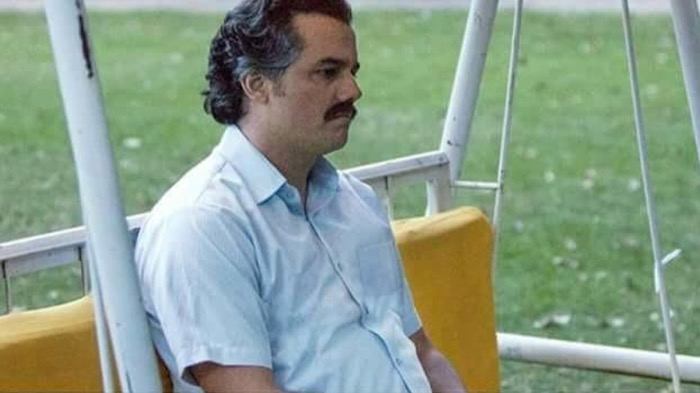
Now multiply that across weeks and months. If the same person ends up near the bottom of the picks consistently, it wears on them. I've watched people quietly stop showing up to our regular games. They don't announce it or make a scene. They just... stop coming. And when you ask around, the answer is usually something vague about being busy. Maybe they are busy. Or maybe being picked last, week after week, finally got to them.
Adults are supposed to be past this. We're not in school anymore. But the dynamic is identical to playground picks, and the sting hasn't changed. We've just gotten better at hiding it.
Friendship Bias Is Real
Here's a question: when you're a captain picking teams, do you pick the best available player or your mate?
Be honest.
Most captains pick their friends first. It's not malicious — it's human nature. You trust the people you know. You've played with them, you know their style, you feel comfortable with them on your side. But friendship and football skill don't always overlap.
Your best friend might be an average midfielder. The quiet guy who joined the group three months ago might be the best passer in the squad. But guess who gets picked first?

This friendship bias compounds over time. New players in the group get picked later, which puts them on weaker teams, which means they lose more often, which makes captains think they're worse than they are. It's a self-reinforcing cycle. The new guy never gets a fair shake because the picking order is decided by social connections, not ability.
The Recency Effect
Captains don't pick based on a player's overall ability. They pick based on what they remember — which is usually last week's game.
If someone had a bad day last Saturday, they'll drop in the picks this week. If someone scored a hat trick, they'll go early. This is classic recency bias. One game's performance overrides months of evidence.
Football has so much variance. A defender can play brilliantly all game but get blamed for one goal that slipped through. A striker can miss fifteen chances but score the winner and suddenly he's everyone's first pick. The sample size of one game is terrible data for evaluating a player, but that's exactly what captain picks rely on.
The Confidence Tax
Who becomes captain? Usually the loudest voices. The most confident players. The ones who feel comfortable stepping forward and ranking their friends in public.
This creates its own distortion. Confident players tend to overrate other confident players and underrate quiet ones. The guy who calls for the ball constantly and takes on three defenders gets noticed. The one who consistently makes the right pass, holds position, and does the boring defensive work? Invisible.
Captain picks reward flashiness over effectiveness. The captains themselves are a biased sample, and they select for traits that match their own playing style.
One-Sided Games Aren't Fun for Anyone
All of these biases — friendship, recency, confidence — feed into the same outcome: unbalanced teams.
When one team clearly outmatches the other, nobody enjoys it. The dominant team gets bored. The weaker team gets frustrated. The game loses its edge by halftime. People start checking their phones on the sideline. Goals stop meaning anything because the result was never in doubt.
The whole point of showing up to play football is competition. Close games where the result hangs in the balance. Games where every goal matters, where both teams push each other, where you walk off the pitch feeling like you earned the result. Captain picks rarely produce that.
What Captains Would Need to Get It Right
For captain picks to produce balanced teams, the captains would need to:
- Know every player's actual ability across multiple skills (passing, defending, pace, shooting)
- Ignore their personal relationships entirely
- Account for position — making sure both teams have a goalkeeper, enough defenders, a midfield
- Weigh recent form against long-term consistency
- Update their mental model every week as players improve or decline
That's a lot to ask of someone standing in a car park at 9am on a Saturday morning. No human can do all of that reliably under social pressure. And the truth is, nobody signed up to do this. They signed up to play football.
Better Alternatives
So if captain picks are flawed, what works better? Here are three approaches that produce fairer outcomes without the social baggage.
Random Draw
The simplest alternative. Put everyone's name in a hat (or use a random number generator on your phone) and draw names alternately into two teams. It's fast, it's completely unbiased, and nobody feels targeted.
The downside: randomness doesn't account for skill. You might end up with all your best players on one side. Over many weeks it averages out, but any single game can be wildly uneven.
Random draws work well when your group is roughly similar in ability. If there's a wide skill gap, you need something smarter.
Rotating Pre-Set Teams
Some groups assign players to teams on a rotating basis. You keep a roster, alternate who plays together, and cycle through combinations over several weeks. This guarantees variety and prevents cliques.
The downside: it takes planning. Someone has to maintain the rotation. It doesn't adapt to who actually shows up on a given day. And it still doesn't address skill balance — you're just hoping the rotation produces even matchups by chance.
Peer Ratings
This is where things get interesting. Instead of one or two captains assessing everyone, what if the whole group contributed? Each player rates the others — anonymously, so there's no social pressure — and those ratings feed into a balanced team generator.
The logic is straightforward. One person's opinion about your ability is just that — one opinion, full of bias. But if ten people rate you, those biases cancel out. The average converges on something close to your actual skill level. It's the wisdom-of-crowds principle applied to your Tuesday night football group.
Anonymity is the key ingredient. When ratings are public, people inflate scores for friends and deflate them for players they don't like. When nobody knows who rated who, people tend to be honest. Not harsh — just accurate.
This is the approach behind SquadBalance, which I built for my own futsal group after years of captain-pick frustration. The ratings are anonymous, the team generation accounts for skill balance and positions, and nobody has to stand around waiting for the teams to be picked.
Making the Switch
If you're the organizer of your group, switching away from captain picks might feel like a big change. Here's the truth: most players will be relieved.
The guys who hate being picked last? They'll be thrilled. The guys who hate being captains? Also thrilled. The only people who might resist are the ones who always get picked first — and even they'll come around once the games get more competitive.
You don't have to make a formal announcement. Just show up one week with a different system. "Hey, I'm trying something new — I generated the teams based on everyone's ratings." If the game is closer and more fun, nobody's going to ask you to go back to the old way.
The best pickup games I've played have been the ones where nobody talked about team selection at all. We showed up, looked at the teams, and started playing. All the energy that used to go into the picking process went into the actual football instead.
That's what your games deserve too.